



By Saad Salim 19, October, 2026
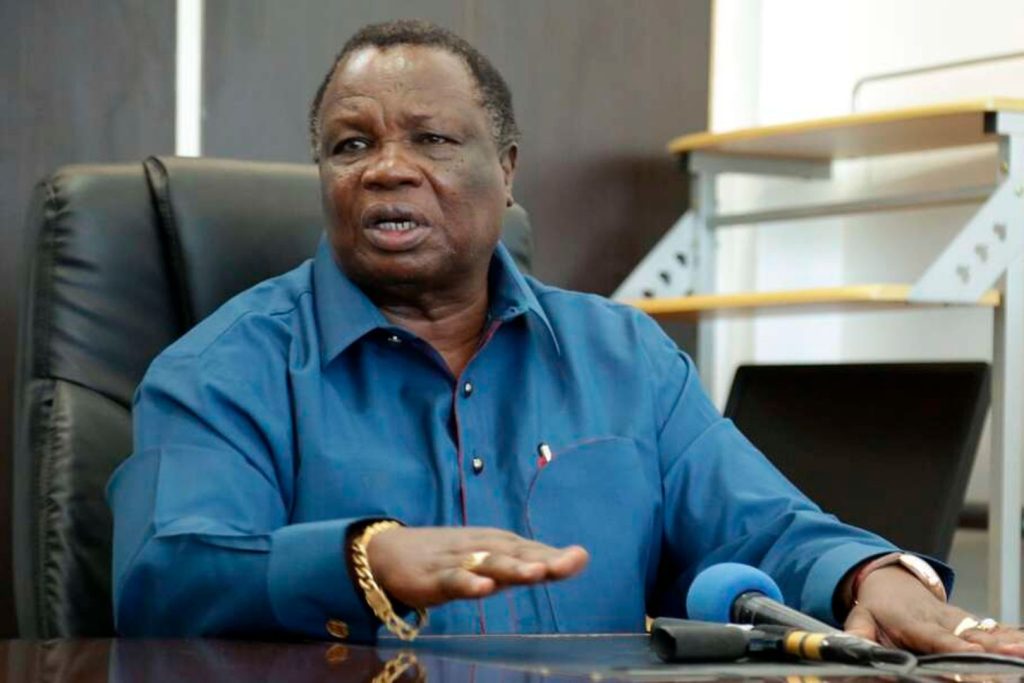
Central Organization of Trade Unions (COTU-K) Secretary-General Francis Atwoli has defended the National Social Security Fund (NSSF) against criticism from politicians, citing improved returns on members’ savings, substantial growth in assets and faster processing of retirement benefits.
Atwoli said the fund recorded a reported interest return of 17 per cent for the 2024/2025 financial year, up from 11 per cent in the previous financial year, arguing that the improved performance demonstrates the importance of protecting the institution from unsubstantiated allegations and political interference.
His remarks come amid growing scrutiny of the management of workers’ retirement savings and the implementation of higher statutory pension contributions under the NSSF Act, 2013.
COTU-K has highlighted the expansion of NSSF’s investment portfolio as evidence of the fund’s changing financial position.
According to figures cited in the supplied information, the fund’s assets grew from approximately KSh312 billion in December 2022 to a reported KSh814 billion over the subsequent three years.
The expansion has been attributed to increased member contributions, investment income and changes to the statutory contribution framework.
NSSF has also set a strategic ambition to grow its assets to approximately KSh1 trillion by the 2027/2028 financial period.
Reaching that target would strengthen the fund’s capacity to meet future retirement obligations, although sustained growth will depend on investment performance, contribution collections, expenditure and the effective management of financial risks.
The reported asset figures refer to different reporting periods and should be reconciled with the fund’s audited financial statements before publication.
Atwoli has criticised politicians who question NSSF’s operations without, in his view, providing sufficient supporting evidence.
COTU-K has urged lawmakers who allege misconduct in the processing of retirement benefits to present specific evidence and use the appropriate investigative and accountability mechanisms.
The union has warned that unsubstantiated allegations could undermine public confidence in a fund that plays a central role in providing financial security to retired workers.
The debate has also included claims that some retirees face difficulties accessing services or encounter demands for bribes when seeking their benefits. Such allegations require independent investigation and should not be dismissed without examining the available evidence.
Atwoli’s position is that concerns about NSSF should be addressed through credible evidence, transparent investigations and institutional accountability rather than generalised political accusations.
Another area highlighted by COTU-K is the reported improvement in the processing of retirement benefits.
According to the figures cited by the union, the average turnaround time fell from approximately 87 days to seven days.
The fund is reportedly seeking to reduce the processing period further, with a long-term ambition of completing eligible claims within a single day.
Faster processing would benefit retirees who depend on their savings to meet living expenses, healthcare costs and other financial commitments after leaving employment.
However, achieving consistently shorter turnaround times will require efficient document verification, adequate staffing, reliable digital systems and effective communication with members.
COTU-K has also pointed to two consecutive clean audit opinions from the Office of the Auditor-General as an indicator of improved financial accountability. The relevant audit reports should be consulted to establish the periods covered and the precise scope of those opinions.
COTU-K has further defended NSSF’s service delivery arrangements, noting that members can access services through regional offices rather than travelling to the fund’s Nairobi headquarters.
The union cited a network of 64 branches serving contributors across the country.
Regional access points can help retirees submit claims, obtain assistance with documentation and follow up on payments closer to their homes.
Nevertheless, the effectiveness of this network ultimately depends on service quality, accessibility, staffing and the ability of members to resolve complaints without unnecessary delays or costs.
The debate over NSSF’s performance comes as Kenya implements higher pension contribution rates under the NSSF Act, 2013.
The phased contribution framework is intended to increase retirement savings and strengthen long-term social security coverage.
For employees, however, higher statutory deductions can reduce take-home pay, particularly amid pressure from living costs, taxation and other household expenses.
The policy debate therefore involves balancing the immediate financial impact on workers against the potential benefits of building larger retirement savings.
NSSF’s reported 17 per cent return should not be interpreted as a guaranteed annual rate for future financial years. Investment performance can vary depending on market conditions, asset valuations and the fund’s overall financial results.
Clear communication about contribution deductions, investment returns, administrative expenses and benefit entitlements will be important in maintaining members’ confidence.
With Kenya approaching the 2027 General Election, COTU-K has warned the fund’s management and Board of Trustees against intimidation, blackmail and political pressure.
The union argues that decisions concerning members’ retirement savings should be guided by sound investment principles, the law and the interests of contributors.
NSSF’s growing asset base makes strong governance particularly important. Investment decisions involving public infrastructure, government securities, equities, property and other assets must be evaluated against appropriate standards of risk, return, transparency and long-term sustainability.
At the same time, public scrutiny remains essential to ensuring that the fund operates in the interests of its members.
Independent oversight, credible audits, transparent procurement and effective complaint-handling procedures can help protect contributors while allowing legitimate concerns about performance or misconduct to be investigated.
The dispute over NSSF highlights a broader question about how Kenya should safeguard workers’ retirement savings while ensuring that public institutions remain accountable.
Improved returns and faster benefits processing, if confirmed by official records, would represent important developments for contributors. However, these achievements must be accompanied by reliable financial reporting, fair treatment of members and effective safeguards against misconduct.
For workers approaching retirement, the most important measures of success include whether their contributions are properly recorded, their savings are managed responsibly and their eligible benefits are paid accurately and on time.
As debate over NSSF continues, the challenge for the fund, government officials, trade unions and lawmakers will be to protect public confidence without discouraging legitimate scrutiny.
Ultimately, the sustainability of Kenya’s social security system will depend not only on the growth of its investment portfolio but also on the trust workers place in the institution responsible for their retirement security