



By Perez Karisa, June 25, 2026
African national teams are delivering one of their strongest collective performances in FIFA World Cup history, with the continent securing a record 10 qualification slots following the expansion of the tournament to 48 teams. As the group stage reaches its decisive conclusion, several African sides have emerged not only as participants but as serious knockout-stage contenders, backed by standout individual performances and disciplined team displays.
Across multiple groups, African teams have demonstrated improved tactical maturity, attacking efficiency, and defensive resilience, signaling what analysts are describing as a “new competitive era” for African football on the global stage.
🌟 Saibari Leads a New Generation of African Stars
Morocco’s Ismael Saibari has emerged as one of the breakout stars of the tournament, making World Cup history by becoming the first African player to score in all three group-stage matches in a single edition of the competition. His goals against Brazil, Scotland, and Haiti have been central to Morocco’s strong group performance.
Saibari also delivered one of the tournament’s fastest goals, striking just over a minute into Morocco’s 1–0 victory over Scotland, a result that significantly boosted their momentum heading into the knockout phase.
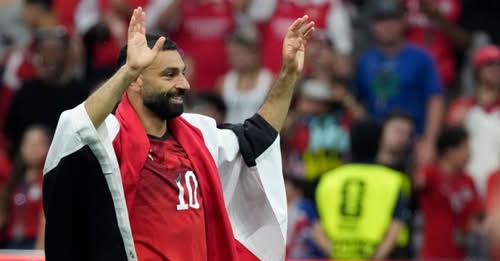
Veteran Egyptian forward Mohamed Salah also continued to demonstrate his global class, becoming the oldest African player to record both a goal and an assist in a single World Cup match. His performance powered Egypt to a dramatic 3–1 comeback win over New Zealand, reinforcing his leadership role in the squad.
South Africa’s Thapelo Maseko played a decisive role in Bafana Bafana’s qualification campaign, scoring the winning goal in a narrow 1–0 victory over South Korea that secured their progression to the Round of 32.
Algeria’s Amine Gouiri also kept his side alive in the competition with a late 82nd-minute header in a 2–1 comeback win over Jordan, a crucial result in a tightly contested group.
Meanwhile, Cape Verde goalkeeper Vozinha produced one of the standout defensive performances of the tournament, making seven crucial saves to secure a 0–0 draw against Spain, a result widely described as one of the tournament’s biggest shocks.
📊 African Teams Progressing to Knockout Stages
African representation in the Round of 32 is already confirmed for multiple nations, while others remain in contention depending on final group results.
Morocco have topped their group following consistent performances, including wins over Scotland and Haiti, alongside a draw against Brazil, securing their place in the knockout stage as group leaders.
South Africa also advanced after a disciplined campaign featuring a key win over South Korea and a draw against Czechia, despite a narrow loss to Mexico.
Egypt remain strong contenders in their group after a win over New Zealand and a draw with Belgium, with their final qualification status dependent on upcoming fixtures against Iran.
Ghana are also in a strong position following a late win over Panama and a hard-fought draw against England, with a crucial clash against Croatia still to come.
Cape Verde remain in contention after impressive draws against Spain and Uruguay, though their qualification now depends on a decisive final group match against Saudi Arabia.
Tunisia, however, face a difficult path after heavy defeat to Japan and must secure a result against the Netherlands to keep their campaign alive.
📈 A Turning Point for African Football
Football analysts have noted that the collective performance of African teams in the 2026 tournament reflects a significant shift in global competitiveness, with improved tactical systems, stronger domestic player development, and increased exposure in top European leagues contributing to the rise.
The expanded World Cup format has also provided more African nations with the platform to compete at the highest level, and early indications suggest that several teams are now capable of progressing deep into the knockout rounds.
As the Round of 32 approaches, Africa’s representatives are not only carrying continental hopes but also reshaping global expectations of their footballing power on the world stage.