



By Miraj Guo | May 14, 2026
African media stakeholders have issued a united call for immediate policy reforms aimed at protecting journalists and safeguarding press freedom across the continent.
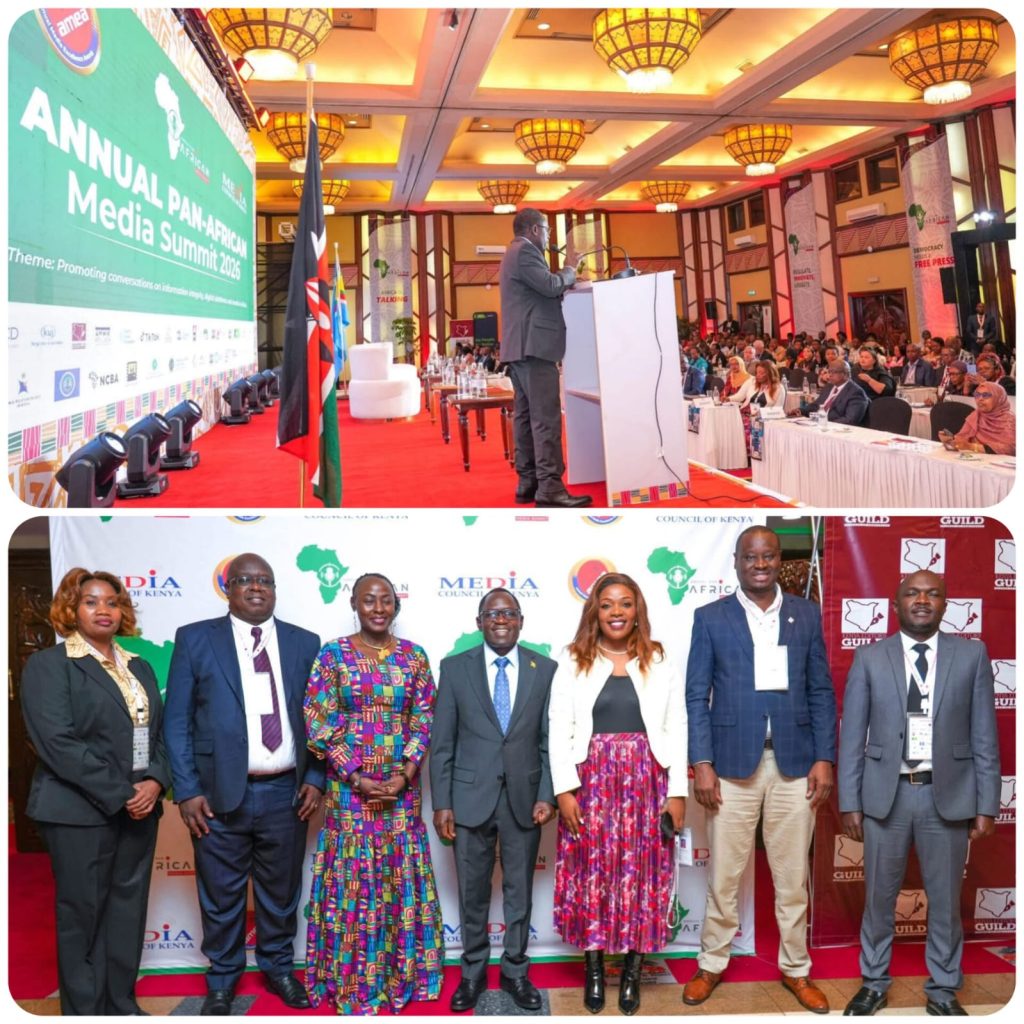
The declaration formed the centerpiece of the inaugural Pan-Africa Media Summit, which concluded today at the Safari Park Hotel in Nairobi. The two-day continental gathering brought together editors, journalists, scholars, policymakers, and development partners to address mounting challenges posed by artificial intelligence (AI), digital disruption, misinformation, and journalist safety.
The summit opened against growing concerns over Africa’s rapidly evolving information landscape. Media Council of Kenya (MCK) CEO David Omwoyo called for stronger accountability measures across the media sector, particularly as digital disinformation and AI-generated content continue to spread.
Socioeconomic and physical vulnerabilities facing journalists also dominated discussions. Kenya Union of Journalists (KUJ) Secretary General Eric Oduor emphasized that the welfare and safety of journalists are closely tied to democratic development and public access to credible information.
Regional scholars, including Dr. James Kwaku Asante, called for localized journalist protection frameworks. Dr. Asante particularly highlighted the urgent need to shield female journalists from systemic harassment, intimidation, and online abuse.
Beyond safety concerns, delegates warned that African media houses are under increasing economic pressure due to rapid technological changes and the rise of AI-driven platforms, which are disrupting traditional media business models.
Addressing delegates, Broadcast and Telecommunications Principal Secretary Stephen Isaboke said the government is prioritizing digital governance and cybersecurity frameworks to help create a media environment that is both free and legally responsible.
Industry leaders urged media organizations to move beyond passion-driven operations and adopt sustainable commercial models capable of surviving in a highly competitive digital era. Panelists noted that Kenya currently has more than 320 radio stations, while neighboring Tanzania operates approximately 680, illustrating the intense competition within the regional broadcasting industry.
Even as media stakeholders demanded stronger protections, regulatory and public relations bodies reminded journalists of their responsibility to uphold ethical standards.
Public Relations Society of Kenya (PRSK) President Arik Karani urged journalists to fiercely protect their impartiality and professional integrity. He stressed that maintaining strong ethical standards remains the industry’s strongest defense against declining public trust.
The summit concluded with the adoption of strategic resolutions aimed at strengthening regional press councils and enhancing cross-border cooperation against AI-generated deepfakes, political interference, and misinformation. The framework was developed with support from the Organisation for Economic Co-operation and Development (OECD), which participated as a key knowledge partner.